
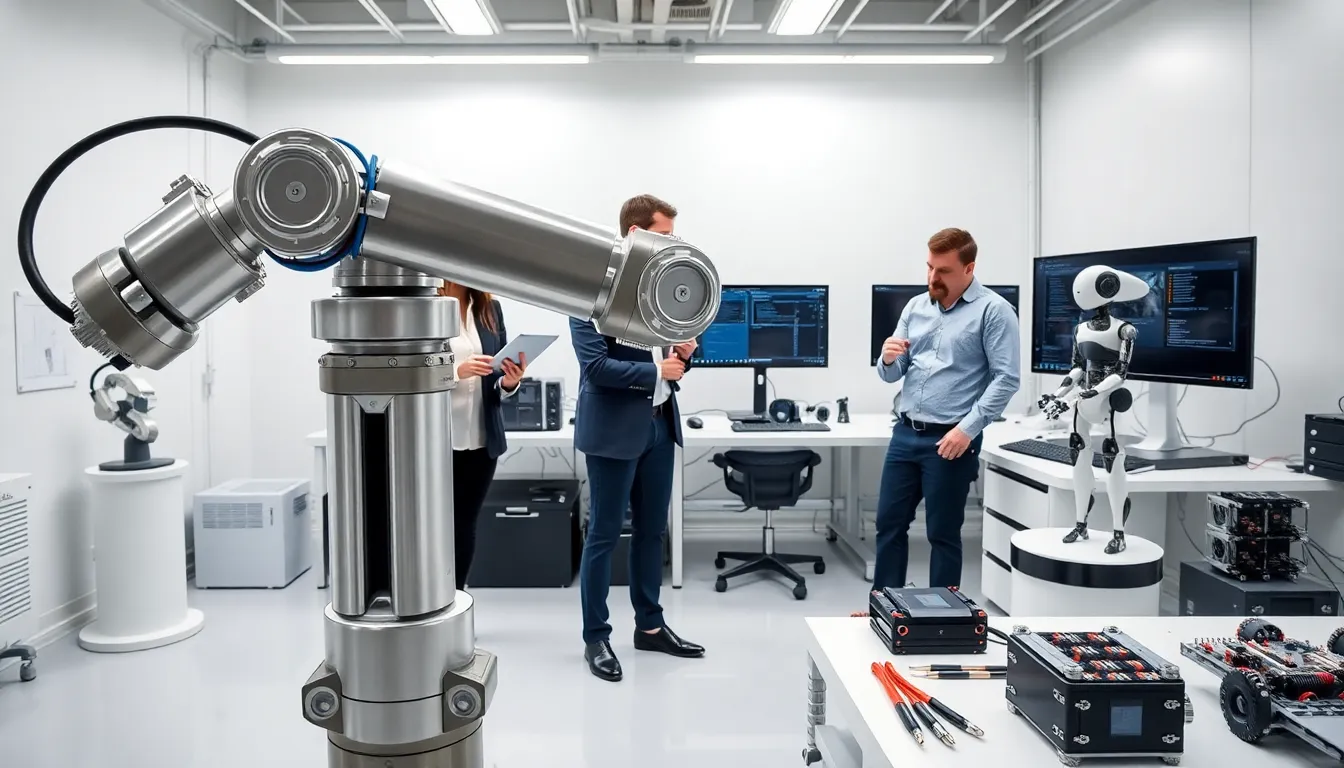

What is robotics? This question has sparked curiosity for decades, and the answer shapes how people live, work, and interact with technology. Robotics is the branch of engineering and science that focuses on designing, building, and operating robots. These machines perform tasks autonomously or semi-autonomously, often replacing or assisting human effort.
From factory floors to hospital operating rooms, robotics has become a core part of modern life. Understanding robotics helps individuals grasp how automation works and why it matters. This guide breaks down the basics of robotics, explores the types of robots in use today, and examines how this technology is reshaping industries worldwide.
Table of Contents
ToggleKey Takeaways
- Robotics is the branch of engineering and science focused on designing, building, and operating machines that perform tasks autonomously or semi-autonomously.
- Every robot relies on five core components: mechanical structure, sensors, actuators, a control system, and a power supply.
- Industrial robots dominate manufacturing, with over 3.9 million units operating globally as of 2022.
- Medical robots, autonomous vehicles, and collaborative robots (cobots) are expanding robotics applications into healthcare, transportation, and small businesses.
- Artificial intelligence integration is making robots smarter, enabling them to learn, adapt, and handle increasingly complex tasks.
- The future of robotics includes soft robotics, human-robot collaboration, and growing accessibility for consumers and smaller businesses.
Defining Robotics and Its Core Components
Robotics combines mechanical engineering, electrical engineering, and computer science. The goal is to create machines that can sense their environment, process information, and take action. Every robot shares a few essential components that make this possible.
Mechanical Structure
The mechanical structure forms the robot’s body. This includes arms, wheels, legs, or any physical framework that allows movement. Engineers design these structures based on the robot’s intended task. A robotic arm in a car factory looks very different from a vacuum robot in someone’s home.
Sensors
Sensors act as the robot’s eyes and ears. They collect data from the surrounding environment. Common sensors include cameras, infrared detectors, and pressure sensors. This information helps the robot understand where it is and what’s happening around it.
Actuators
Actuators convert energy into motion. Electric motors are the most common type. Hydraulic and pneumatic systems also power larger industrial robots. Without actuators, a robot cannot move or perform physical tasks.
Control System
The control system serves as the robot’s brain. It processes sensor data and decides what actions to take. Simple robots use basic programming. Advanced robots rely on artificial intelligence to learn and adapt over time.
Power Supply
Every robot needs energy. Batteries power mobile robots, while larger machines often connect to electrical outlets. Some experimental robots even use solar panels or fuel cells.
These components work together to create machines capable of performing specific tasks. Robotics engineers must understand each element to build effective systems.
Key Types of Robots Used Today
Robotics has produced several distinct categories of robots. Each type serves a different purpose and operates in unique environments.
Industrial Robots
Factories rely heavily on industrial robots. These machines handle welding, painting, assembly, and material handling. They work with high precision and speed. Car manufacturers use thousands of industrial robots on production lines. These robots improve efficiency and reduce human exposure to dangerous conditions.
Service Robots
Service robots assist people outside of industrial settings. Vacuum robots clean floors. Lawn mowers cut grass without human input. Hospitals use robots to deliver medication and supplies. The service robot market has grown rapidly as prices have decreased and capabilities have improved.
Medical Robots
Medical robots support surgeons during operations. The da Vinci Surgical System, for example, allows doctors to perform minimally invasive procedures with enhanced precision. Rehabilitation robots help patients recover from injuries. These machines have transformed how healthcare professionals deliver care.
Autonomous Vehicles
Self-driving cars and delivery robots fall under the robotics umbrella. These vehicles use sensors, cameras, and AI to travel without human drivers. Companies like Waymo and Tesla have invested billions in this technology. Autonomous vehicles could reshape transportation within the next decade.
Humanoid Robots
Humanoid robots resemble the human body. They walk on two legs and have arms capable of manipulation. Boston Dynamics’ Atlas robot demonstrates advanced mobility and balance. These robots could eventually serve in customer service roles or assist elderly individuals at home.
Collaborative Robots (Cobots)
Cobots work alongside humans rather than replacing them. They feature safety systems that prevent injuries during close interactions. Small businesses increasingly adopt cobots because they’re affordable and easy to program.
How Robotics Is Transforming Major Industries
Robotics technology is changing how businesses operate across multiple sectors. The impact reaches far beyond manufacturing.
Manufacturing
Manufacturing was the first industry to embrace robotics at scale. Robots now handle everything from electronics assembly to food packaging. According to the International Federation of Robotics, global operational stock reached over 3.9 million industrial robots in 2022. Automation has lowered production costs and increased output quality.
Healthcare
Hospitals use robotics for surgery, disinfection, and patient care. Surgical robots reduce recovery times and minimize scarring. During the COVID-19 pandemic, robots sanitized hospital rooms and delivered supplies, limiting staff exposure to the virus. Robotics in healthcare continues to expand as technology improves.
Agriculture
Farmers face labor shortages and rising costs. Agricultural robots address these challenges. Automated tractors plant seeds with GPS precision. Harvesting robots pick fruits and vegetables without damaging crops. Drones monitor field conditions and spray pesticides. These tools help farmers produce more food with fewer resources.
Logistics and Warehousing
Amazon operates over 750,000 robots in its fulfillment centers. These machines move products, sort packages, and assist human workers. Robotics has made same-day and next-day delivery possible for millions of customers. The logistics industry continues to invest heavily in automation.
Construction
Construction robots lay bricks, pour concrete, and perform demolition. These machines address skilled labor shortages and improve workplace safety. 3D-printing robots can build structures layer by layer, potentially reducing construction time and waste.
The Future of Robotics Technology
The robotics industry shows no signs of slowing down. Several trends will shape its direction in coming years.
Artificial Intelligence Integration
AI makes robots smarter. Machine learning allows robots to improve their performance through experience. Computer vision enables them to recognize objects and faces. Natural language processing lets robots understand and respond to human speech. As AI advances, robots will handle increasingly complex tasks.
Soft Robotics
Traditional robots use rigid materials. Soft robotics employs flexible components that mimic biological organisms. These robots can grip delicate objects without causing damage. They also move more safely around humans. Soft robotics opens possibilities in food handling, healthcare, and search-and-rescue operations.
Human-Robot Collaboration
The future workforce will include more human-robot teams. Cobots will become standard equipment in small and medium businesses. Wearable robotic exoskeletons will help workers lift heavy objects and reduce injuries. This collaboration enhances productivity while keeping humans in control.
Ethical Considerations
Robotics raises important questions about employment, privacy, and autonomy. Some jobs will disappear as automation spreads. Society must address how to support displaced workers. Privacy concerns emerge as robots equipped with cameras and microphones enter homes and workplaces. Policymakers are working to establish guidelines for responsible robotics development.
Accessibility and Cost
Robots are becoming cheaper and easier to use. This trend will bring robotics to smaller businesses and individual consumers. Educational robots teach children programming and engineering concepts. Personal robots may eventually become as common as smartphones.


