
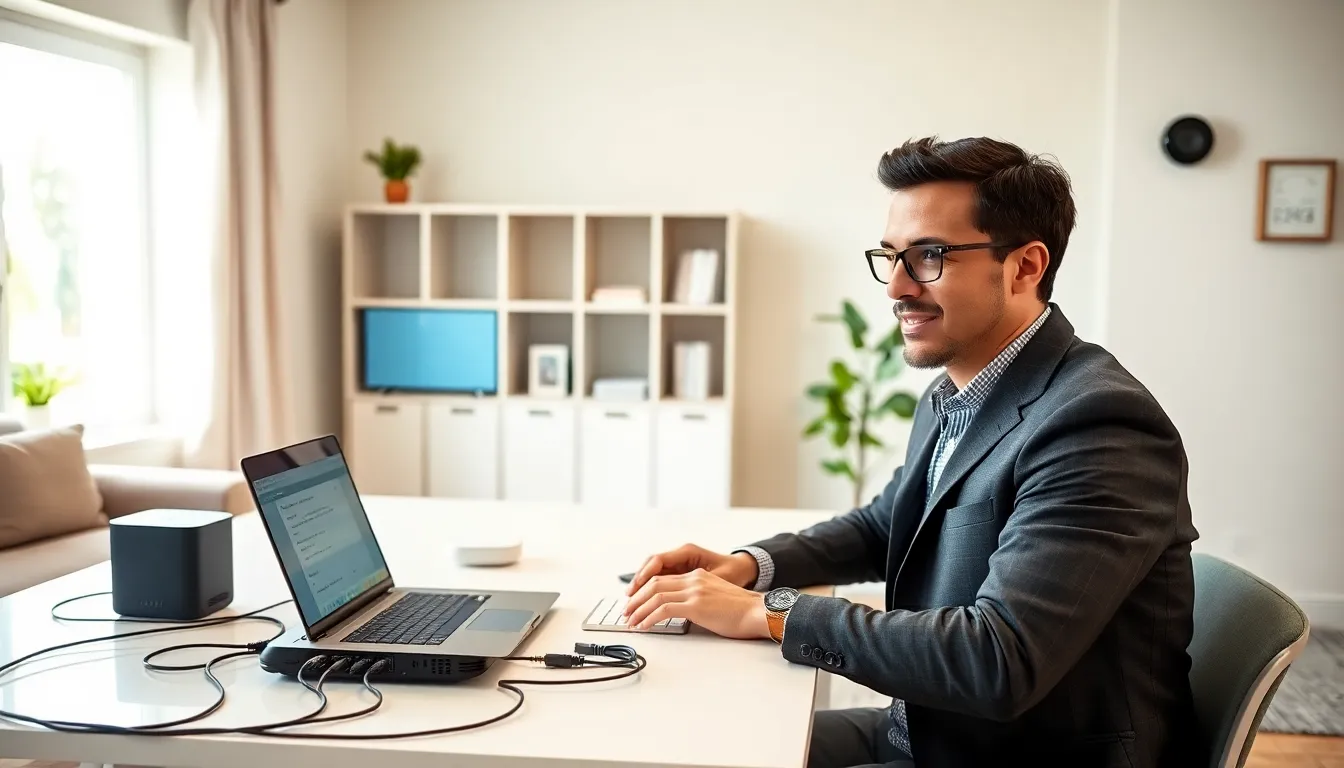

Home networking for beginners doesn’t have to feel overwhelming. A home network connects devices like computers, smartphones, and smart TVs so they can share internet access and communicate with each other. Whether someone wants to stream movies, work from home, or control smart home gadgets, a reliable home network makes it all possible.
This guide breaks down the basics of home networking for beginners. It covers what a home network is, the equipment needed, how to set everything up, and how to keep the network secure. By the end, anyone can build a functional home network with confidence.
Table of Contents
ToggleKey Takeaways
- Home networking for beginners starts with understanding that a modem connects to your ISP while a router distributes the internet to all your devices.
- The average U.S. household has over 20 connected devices, making a reliable home network essential for modern life.
- Setting up a home network takes about 30 minutes and involves connecting your modem, configuring your router, and securing your Wi-Fi password.
- Always change default router credentials and use WPA3 or WPA2 encryption to protect your network from hackers.
- Wi-Fi extenders or mesh systems can solve coverage issues in larger homes where the signal doesn’t reach every room.
- Create a guest network to give visitors internet access without exposing your main devices and personal data.
What Is a Home Network and Why Do You Need One
A home network is a group of devices connected together within a household. These devices share an internet connection and can exchange data with each other. Common devices on a home network include laptops, smartphones, tablets, smart TVs, gaming consoles, and printers.
Home networking for beginners starts with understanding why this setup matters. Here are the main benefits:
- Shared internet access: Multiple devices can use the same internet connection simultaneously.
- File sharing: Users can transfer photos, documents, and media between devices without cables or external drives.
- Printer sharing: One printer can serve every computer and phone in the house.
- Smart home control: Smart thermostats, lights, doorbells, and security cameras all rely on a home network to function.
- Entertainment streaming: Services like Netflix, Spotify, and online gaming require consistent network connectivity.
Without a home network, each device would need its own separate internet connection. That’s expensive and impractical. A home network centralizes connectivity and makes modern digital life possible.
The average U.S. household now has over 20 connected devices. That number keeps growing as more appliances and gadgets come with Wi-Fi capability. Understanding home networking for beginners is now a practical skill, not just a tech hobby.
Essential Home Networking Equipment
Building a home network requires a few key pieces of hardware. Here’s what beginners need to know about each component.
Modem
A modem connects a home to the internet service provider (ISP). It translates the signal from the ISP into data that devices can use. Most ISPs provide a modem as part of the service, though users can purchase their own for better performance or cost savings.
Router
A router distributes the internet connection from the modem to all devices in the home. It creates the actual network. Routers can connect devices through Wi-Fi (wireless) or Ethernet cables (wired). Most modern routers support both.
For home networking for beginners, a combination modem-router (often called a gateway) simplifies setup. One device handles both functions.
Ethernet Cables
Ethernet cables provide wired connections between devices and the router. Wired connections offer faster speeds and more stability than Wi-Fi. They’re ideal for desktop computers, gaming consoles, and streaming devices that stay in one place.
Wi-Fi Extenders or Mesh Systems
Larger homes may have areas where the Wi-Fi signal is weak. Wi-Fi extenders boost the existing signal to reach farther. Mesh systems use multiple access points placed around the home to create seamless coverage everywhere.
Network Switch (Optional)
A network switch adds more Ethernet ports when the router doesn’t have enough. It’s useful for home offices or entertainment centers with many wired devices.
For most beginners, a modem and router (or a gateway) plus Ethernet cables for stationary devices will cover basic needs. Add extenders or mesh systems if coverage becomes an issue.
How to Set Up Your Home Network Step by Step
Setting up a home network takes about 30 minutes for most people. Here’s a straightforward process for home networking for beginners.
Step 1: Connect the Modem
Plug the modem into the cable or phone outlet provided by the ISP. Connect the modem to a power outlet and wait for it to fully boot up. Most modems have indicator lights that show when the connection is active.
Step 2: Connect the Router
If using a separate router, connect it to the modem using an Ethernet cable. Plug the cable into the modem’s Ethernet port and the router’s WAN (or Internet) port. Power on the router.
Step 3: Configure the Router
Open a web browser on a computer or phone connected to the router. Enter the router’s IP address (usually printed on the device or in the manual, commonly 192.168.0.1 or 192.168.1.1). Log in with the default username and password, also found on the router.
Change the default network name (SSID) to something recognizable. Set a strong Wi-Fi password. These steps prevent unauthorized access.
Step 4: Connect Devices
On each device, open Wi-Fi settings and select the new network name. Enter the password. For wired devices, plug an Ethernet cable from the device into an available port on the router.
Step 5: Test the Connection
Open a browser and load a website to confirm internet access. Test on multiple devices to verify everything works.
Home networking for beginners becomes second nature after the first setup. The process rarely changes, even when upgrading equipment later.
Basic Tips for Securing Your Network
A home network without security is an open door for hackers. Here are essential steps to protect it.
Change Default Credentials
Routers ship with default usernames and passwords like “admin” and “password.” Hackers know these. Change both the router login credentials and the Wi-Fi password immediately after setup.
Use Strong Passwords
A strong Wi-Fi password has at least 12 characters and mixes uppercase letters, lowercase letters, numbers, and symbols. Avoid obvious choices like birthdays or pet names.
Enable WPA3 or WPA2 Encryption
Encryption scrambles data traveling over the network. WPA3 is the latest and most secure standard. If the router doesn’t support WPA3, use WPA2. Never use WEP, it’s outdated and easy to crack.
Update Router Firmware
Router manufacturers release firmware updates to fix security holes. Check for updates in the router’s settings menu every few months. Some routers can update automatically.
Disable Remote Management
Remote management lets users access router settings from outside the home network. Most people don’t need this feature. Turning it off removes a potential entry point for attackers.
Create a Guest Network
A guest network gives visitors internet access without exposing the main network. Devices on the guest network can’t see or connect to other devices in the home. Most routers have this option in settings.
Home networking for beginners should include security from day one. These steps take minutes but provide lasting protection.


