
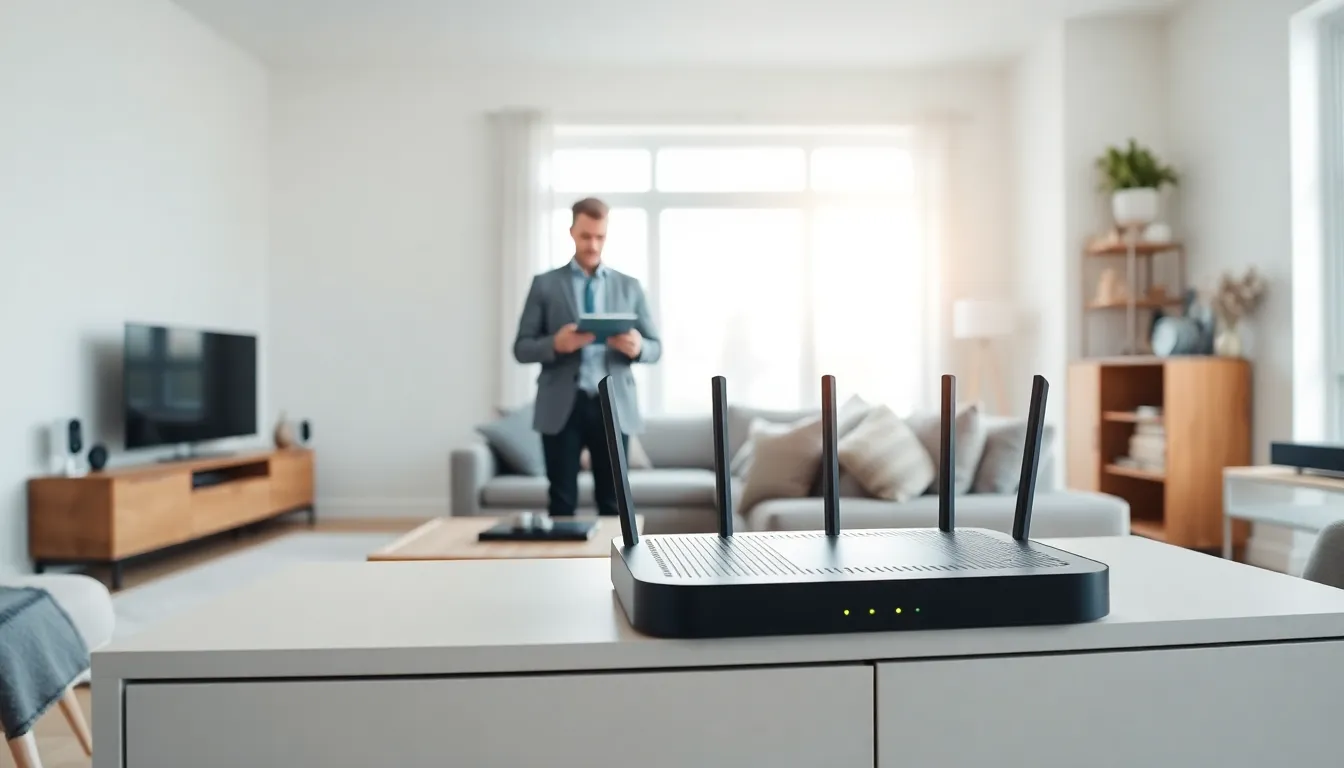

Home networking trends 2026 point toward faster speeds, smarter management, and tighter security. As households connect more devices than ever before, the demand for reliable, high-performance networks continues to grow. From Wi-Fi 7 rollouts to AI-driven optimization, the coming year promises significant shifts in how people build and manage their home networks. This guide covers the key home networking trends 2026 will bring and explains what they mean for everyday users.
Table of Contents
ToggleKey Takeaways
- Wi-Fi 7 will dominate home networking trends 2026, delivering speeds up to 46 Gbps and lower latency through Multi-Link Operation technology.
- AI-powered network management automates bandwidth allocation and predicts maintenance issues, with most processing happening locally to protect privacy.
- Mesh networking systems are becoming the standard for homes with 20+ connected devices, offering seamless coverage and easier setup at lower prices.
- Enhanced security features like WPA3 encryption, automatic threat detection, and router-level VPN integration address rising cyber threats targeting home networks.
- Smart home growth drives network demands, with Matter protocol and Thread networking simplifying device connectivity and reducing bottlenecks.
- Network segmentation is gaining traction as a security measure to isolate IoT devices from computers and phones containing sensitive data.
Wi-Fi 7 Adoption Accelerates
Wi-Fi 7, also known as IEEE 802.11be, will see widespread adoption in 2026. This next-generation wireless standard delivers speeds up to 46 Gbps, roughly four times faster than Wi-Fi 6E. For most households, that translates to smoother 4K and 8K streaming, faster file transfers, and better support for multiple devices.
The real game-changer with Wi-Fi 7 is Multi-Link Operation (MLO). This technology allows devices to connect across multiple frequency bands simultaneously. The result? Lower latency and more stable connections, even during peak usage times.
Router manufacturers have already started releasing Wi-Fi 7 devices, and prices are dropping as competition heats up. By mid-2026, expect Wi-Fi 7 routers to become the default choice for new home networking setups. Early adopters will benefit from future-proofing their networks, while mainstream users can upgrade without very costly.
Device compatibility is catching up too. Smartphones, laptops, and smart home gadgets released in 2026 will increasingly support Wi-Fi 7. This creates a natural upgrade cycle that pushes home networking trends 2026 firmly in Wi-Fi 7’s direction.
The Rise of AI-Powered Network Management
AI-powered network management is transforming how home networks operate. Instead of manually adjusting settings, homeowners can let artificial intelligence handle optimization automatically.
These AI systems analyze traffic patterns in real time. They identify which devices need more bandwidth and adjust allocation on the fly. Gaming during a video call? The AI prioritizes both activities without user intervention.
Predictive maintenance is another benefit. AI tools can detect potential issues before they cause problems. They’ll alert users about firmware updates, security vulnerabilities, or hardware that’s nearing failure. This proactive approach reduces downtime and frustration.
Several major router brands now include AI features as standard. Home networking trends 2026 show these capabilities moving from premium models to mid-range options. The technology learns household patterns over time, becoming more effective the longer it runs.
Privacy-conscious users should note that most AI processing happens locally on the router. Data doesn’t need to travel to external servers for analysis. This keeps personal information secure while still delivering smart network management.
Mesh Networks Become the Standard
Mesh networking systems are becoming the default choice for home setups in 2026. These systems use multiple nodes placed throughout a home to create seamless coverage. Dead zones and weak signals become problems of the past.
The average U.S. home now contains over 20 connected devices. A single router struggles to handle this load effectively, especially in larger spaces. Mesh systems distribute the workload across multiple access points, maintaining strong connections in every room.
Setup has become remarkably simple. Most mesh systems guide users through installation via smartphone apps. The process takes minutes rather than hours, and technical knowledge isn’t required.
Prices have dropped significantly over the past two years. A quality three-node mesh system now costs what a single high-end router did in 2023. This price reduction accelerates adoption among budget-conscious consumers.
Home networking trends 2026 also show mesh systems integrating with smart home hubs. Some units function as both network nodes and smart home controllers. This consolidation reduces clutter and simplifies management for users who’ve invested in connected home technology.
Enhanced Security and Privacy Features
Security features in home networking equipment are getting serious upgrades in 2026. Cyber threats targeting home networks have increased, and manufacturers are responding with stronger protections.
WPA3 encryption is now standard across new routers. This protocol provides stronger password protection and better defense against brute-force attacks. Older WPA2 systems remain vulnerable to certain exploits that WPA3 blocks entirely.
Automatic threat detection is becoming common. Modern routers scan incoming traffic for malware, phishing attempts, and suspicious activity. They can quarantine infected devices automatically, preventing the spread of threats across the network.
VPN integration at the router level is another growing trend. Users can encrypt all traffic from every connected device without installing separate software on each one. This approach protects privacy on smart TVs, gaming consoles, and IoT devices that don’t support traditional VPN apps.
Parental controls have improved dramatically. Home networking trends 2026 include more granular content filtering, screen time management, and activity reporting. Parents can monitor and restrict access on a per-device or per-user basis.
Firmware updates now happen automatically in the background. This ensures networks stay protected against newly discovered vulnerabilities without requiring manual intervention.
Smart Home Integration Drives Network Demands
Smart home devices are pushing home networks to their limits. The average connected household will have over 25 smart devices by the end of 2026, according to industry projections. Each device requires bandwidth, IP addresses, and reliable connectivity.
Matter protocol adoption is streamlining smart home networking. This universal standard allows devices from different manufacturers to communicate seamlessly. Networks benefit because Matter reduces the need for multiple hubs and bridges that previously created bottlenecks.
Thread networking complements Wi-Fi for low-power devices. Sensors, locks, and other battery-powered gadgets use Thread to connect without draining resources. Home networking trends 2026 show Thread border routers becoming built-in features of many mesh systems.
Bandwidth requirements keep climbing. Video doorbells stream in 2K or 4K resolution. Security cameras run 24/7. Smart displays pull content constantly. These demands require networks capable of handling sustained high-throughput loads.
Network segmentation is gaining popularity among security-minded users. This practice separates IoT devices onto their own network segment, isolated from computers and phones containing sensitive data. If a smart device gets compromised, attackers can’t easily reach more valuable targets.


